
How Does Diabetes Affect Kidneys?
Recent Posts
- All Posts
- 25
- casinos-en-ligne
- Health
- public


Contact Us
We are here to address your concerns and provide the care you need. Feel free to reach out to us.
- December 20, 2023
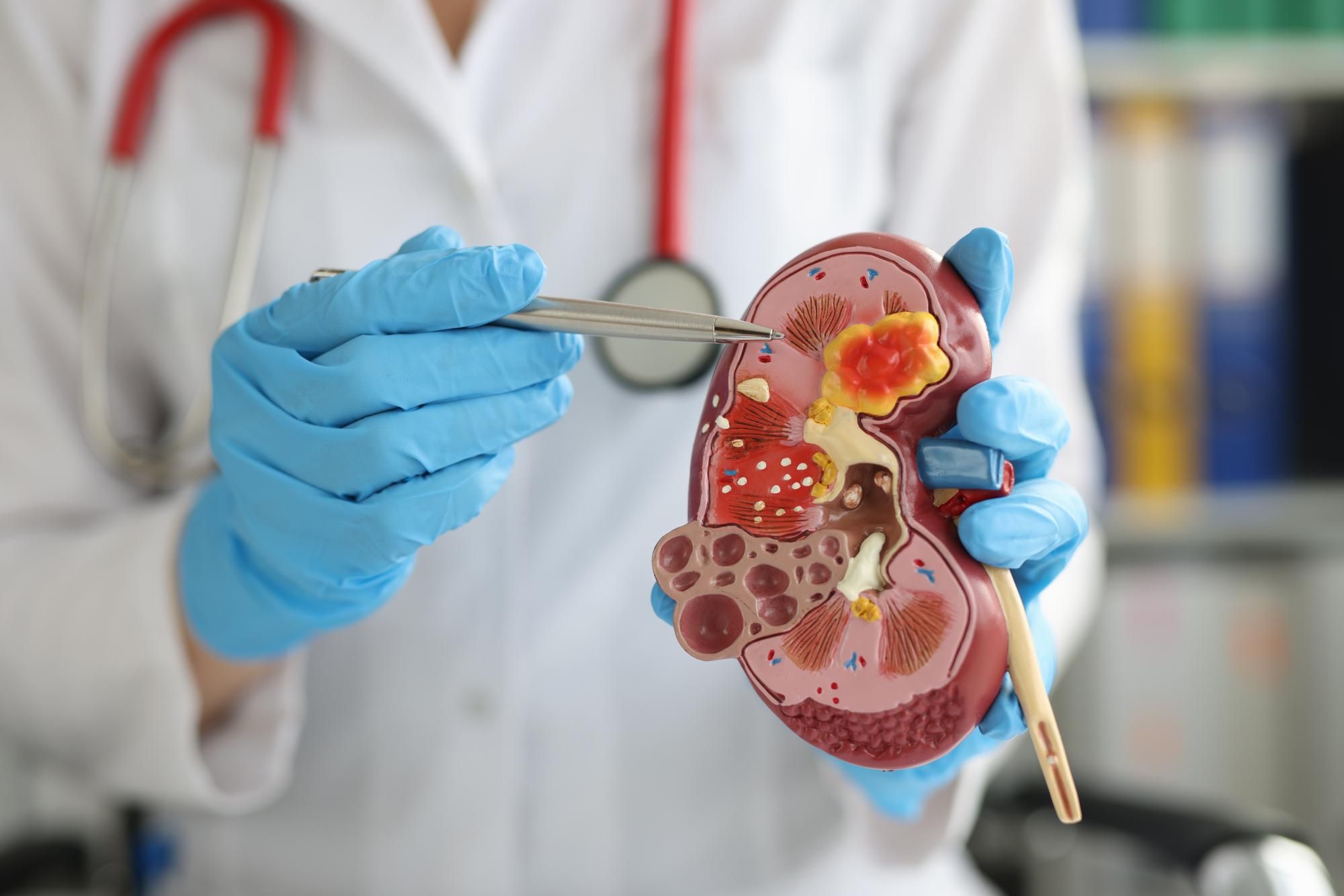
Diabetes is a chronic condition that is accompanied by increased sugar levels in the blood. Diabetes has multiple side effects, out of which the damage in the kidney is a major trouble. Here, we will address the complex link between diabetes and kidney function, focusing on pathophysiological mechanisms, risk factors, and prevention of renal health issues.
The Link Between Diabetes and Kidneys
The kidneys are essential for the filtration of waste materials in blood, maintaining fluid and balance. The failure to control diabetes often leads to the damage of this organ.
Glomerular Damage
Diabetes leads to damage to the glomeruli, which are microscopic blood vessels found in the kidneys. These channels are responsible for eliminating waste and excess fluids from the blood that form into urine. As a result of persistent high blood sugar levels, glomeruli become damaged which makes them incapable of filtering the toxins out.
Proteinuria
When the glomeruli suffer damage, some of these proteins that should be held back in the blood may appear in the urine. Proteinuria is an excess of protein in the urine and one of the first signs indicating kidney damage due to diabetes.
Hypertension and Diabetic Nephropathy
Patients who have uncontrolled diabetes usually develop hypertension which leads to renal complications. Diabetes and high blood pressure are potent risk factors for diabetic nephropathy—a disease of the kidneys that can lead to end-stage renal failure.
Risk Factors Of Diabetes
Several factors contribute to the increased risk of kidney complications in individuals with diabetes.
Duration of Diabetes
Diabetes duration increases the risk of kidney complications. Long-term hyperglycemia aggravates the weakening of kidney function.
Poorly Managed Blood Sugar
Poor control of blood sugar levels is one of the main causes of kidney damage. Regular checkups, following prescribed medication, and lifestyle modifications, play a significant role in the management of complications.
Genetic Predisposition
Diabetes or kidney disease may be a genetically inherited condition in some people. Knowing the family’s medical history may support identifying those with more significant risk and taking timely preventive measures.
Preventive Measures and Management
Even though diabetes is dangerous, yet, there are proactive measures individuals can take to mitigate the risk and manage complications effectively.
Strict Blood Sugar Control
Keeping blood sugar at a healthy level is critical in avoiding kidney damage. It is essential to conduct regular monitoring, take prescribed medications as directed, and engage in lifestyle modifications such as healthy dietary changes.
Blood Pressure Management
Controlling hypertension is equally essential. Modifications in lifestyle, such as a low-sodium diet, regular exercise, and medication prescribed by health professionals, are necessary to maintain the blood pressure causing kidney complications.
Regular Kidney Check-ups
Routine tests for kidney function based on blood and urine samples are critical, especially in those with diabetes. Early identification enables early intervention, hence better management of possible problems.
Lifestyle Modifications
A healthy lifestyle, such as a well-balanced diet, regular exercise, and refraining from smoking or excessive alcohol intake, can benefit kidney health greatly.
Conclusion
Diabetes and its impact on kidney function underscore the importance of comprehensive management and preventive measures. By understanding the intricate relationship between diabetes and kidney health, individuals can take proactive steps to safeguard their renal function. Regular monitoring, lifestyle modifications, and adherence to prescribed medications are key components in the fight against diabetic kidney complications. As we strive for a future with improved diabetes management, it is crucial to recognize the silent struggle that occurs within our kidneys and address it with the urgency and attention it deserves.

