kashakidneyclinic

December 2023

What Are Some Common Kidney Issues And Their Treatment?

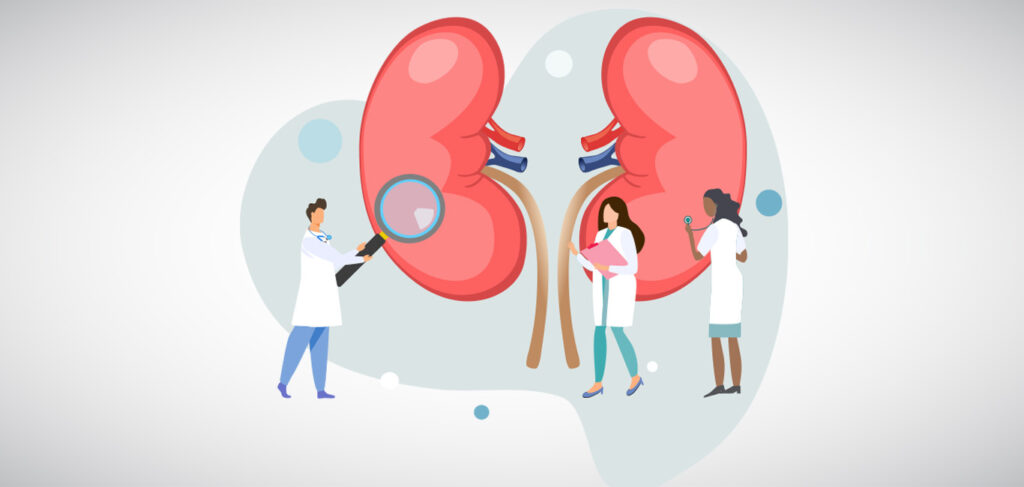
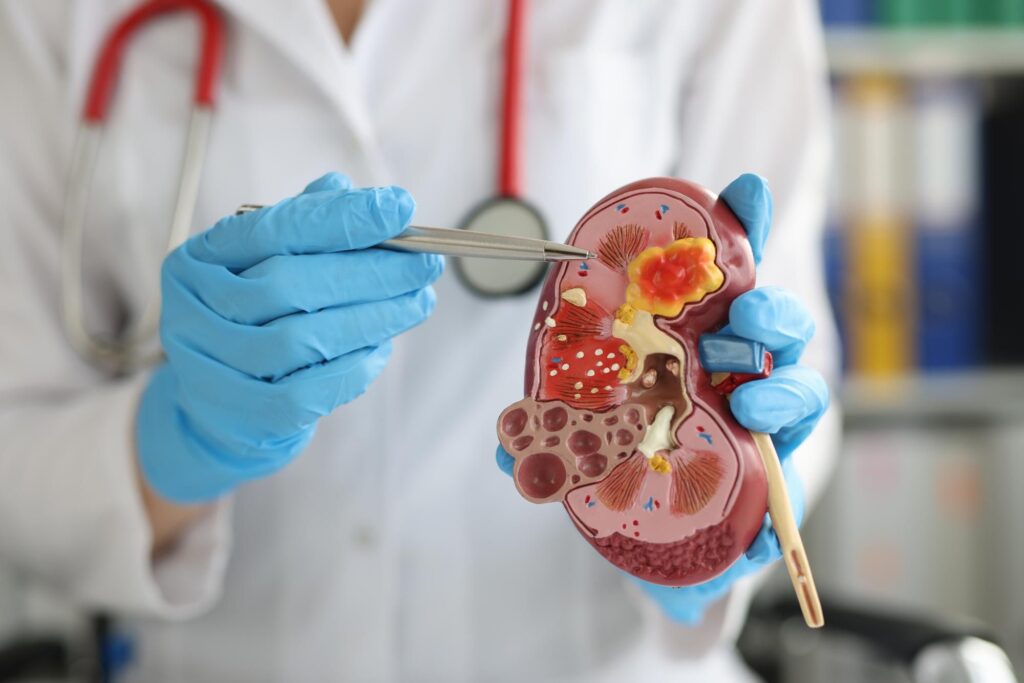
What Are Some Common Kidney Issues And Their Treatment? Recent Posts All Posts Uncategorized Kidney Transplant Specialist in Haryana: What to Expect March 28, 2025/ What Are Some Common Kidney Issues And Their Treatment? December 20, 2023/ Signs That Your Kidneys Need Attention Now December 20, 2023/ Contact Us We are here to address your concerns and provide the care you need. Feel free to reach out to us. Click here December 20, 2023 Kidney disease refers to conditions impairing the kidneys’ proper functioning, vital organs that filter blood, eliminate waste and regulate fluid balance. Chronic Kidney Disease is denoted by a gradual loss of kidney function over time. Factors That Affect Kidneys Diabetes Hypertension Genetic Predisposition Fatigue Swelling, Changes in urination patterns. Timely diagnosis through blood tests and imaging is crucial, and it’s treatment, which involves: Managing underlying causes. Adopting a healthy lifestyle, and in advanced cases. Interventions like dialysis or kidney transplantation. Regular Monitoring Is Essential For Maintaining Kidney Health. Different Kidney Problems And Their Treatment The kidneys are vital in maintaining health by filtering and eliminating waste and excess fluids. However, various kidney issues can arise, affecting their ability to function. Here, we explore different kidney problems and the available treatment options. Chronic Kidney Disease (CKD): CKD is a progressive condition commonly caused by diabetes, high blood pressure, and glomerulonephritis. Treatment focuses on managing underlying conditions and adopting a healthy lifestyle and, in severe cases, may involve dialysis or kidney transplantation. Kidney Stones: Kidney stones are crystallized deposits that form in the kidneys. They can cause intense pain and discomfort. Treatment often involves increased fluid intake, medications to alleviate symptoms, and sometimes procedures such as lithotripsy to break down larger stones. Acute Kidney Injury: AKI is an abrupt drop in kidney function, which may be caused by factors such as severe infections, dehydration, or reactions to medication. Treatment involves addressing the underlying cause, ensuring adequate hydration, and sometimes dialysis to support kidney function temporarily. Polycystic Kidney Disease (PKD): PKD, a genetic disorder, causes the growth of cysts in the kidneys, leading to their enlargement and potential impairment. Treatment aims to manage symptoms, control high blood pressure, and provide support as the disease progresses. In severe cases, kidney transplantation may be considered. Glomerulonephritis: This condition involves inflammation of the kidney’s filtering units (glomeruli). Causes include infections, autoimmune diseases, and certain medications. The treatment differs based on the underlying cause and may involve medications to reduce inflammation, control blood pressure, or suppress the immune system. Nephrotic Syndrome: Nephrotic syndrome is characterized by excessive protein loss in the urine, resulting in swelling, high cholesterol levels, and increased blood clotting risk. Treatment involves medications to reduce protein loss, control blood pressure, and manage underlying conditions contributing to the syndrome. Final Words Early detection and also the management of the kidney, like done at Kasha Kidney Clinic are necessary for preserving kidney function and preventing complications. Treatment approaches vary depending on the specific conditions, ranging from lifestyle changes and medication to more invasive interventions like dialysis or transplantation. Regular medical check-ups, a healthy lifestyle, and managing underlying health conditions are essential in promoting kidney health and overall well-being. Previous PostNext Post

What Are Some Common Kidney Issues And Their Treatment? Read More »

kidney

Signs That Your Kidneys Need Attention Now

Signs That Your Kidneys Need Attention Now Recent Posts All Posts Uncategorized Kidney Transplant Specialist in Haryana: What to Expect March 28, 2025/ What Are Some Common Kidney Issues And Their Treatment? December 20, 2023/ Signs That Your Kidneys Need Attention Now December 20, 2023/ Contact Us We are here to address your concerns and provide the care you need. Feel free to reach out to us. Click here December 20, 2023 The kidneys play a major role in maintaining overall health by filtering waste and excess fluid from the blood. On the other hand, when they malfunction, it can result in major health complications. It is crucial to notice the symptoms that indicate that your kidneys need urgent attention to intervene early and prevent further complications. How To Identify Kidney Issues? Changes in Urination: Any significant alteration in your regular urinary patterns is a warning sign. These symptoms include prolonged occurrence, especially at night, an appearance of pain during urination, or a change in colour and consistency. Swelling: Kidneys are involved in fluid balance regulation. When they do not function properly, swelling occurs in different areas of the body, the ankles and legs, and around the face due to fluid build-up. Fatigue and Weakness: Anaemia develops due to kidney problems due to decreased red blood cell count. It can lead to fatigue, weakness, and concentration problems. Persistent Back Pain: Although back pain is a common complaint, continuous dull pain in the kidney area (lower back on either side) suggests a potential kidney disease. This uneasiness is accompanied by fever and urinary symptoms. High Blood Pressure: The kidneys regulate blood pressure. If they are not working well, it can lead to high blood pressure, which adds more stress on the kidneys, thus creating a vicious cycle. Skin Rash and Itching:Kidneys play a role in removing wastes from the body, including toxins that may affect the skin. Waste accumulation can lead to dry skin, rashes, and severe pruritus. Foamy Urine: If there are too many bubbles in the urine, this can mean that protein is present, which may be a sign of kidney complications. Kidneys normally filter the protein; however, it may leak into urine when damaged. Steps To Deal With Kidney Issues If someone experiences immediate kidney issues, seeking professional medical help promptly is crucial. In the meantime, basic first aid involves encouraging the affected person to stay hydrated by drinking water in small sips. Avoiding caffeinated or sugary beverages is advisable. If there is severe pain, using a hot water bottle or warm compress on the back might provide some relief. However, these measures are supportive and not substitutes for medical intervention. Urgent attention from healthcare professionals is essential for accurate diagnosis and appropriate treatment of kidney issues, ranging from infections to more serious conditions like kidney stones or acute kidney injury. Final Words If you have one or more of these symptoms, seeking medical attention as soon as possible is important. When successful, early detection and intervention can greatly reduce the prognosis of a kidney-related health issue. Frequent check-ups, a well-balanced diet and sufficient hydration, are necessary measures to ensure good kidney health that could also help prevent any possible complications. Previous PostNext Post

Signs That Your Kidneys Need Attention Now Read More »

chronic-kidsney

How To Create A New Routine For Your  Dialysis?

How To Create A New Routine For Your  Dialysis? Recent Posts All Posts Uncategorized Kidney Transplant Specialist in Haryana: What to Expect March 28, 2025/ What Are Some Common Kidney Issues And Their Treatment? December 20, 2023/ Signs That Your Kidneys Need Attention Now December 20, 2023/ Contact Us We are here to address your concerns and provide the care you need. Feel free to reach out to us. Click here December 20, 2023 The treatment of kidney disease always implies changing one’s life, and for many people, incorporating it into their daily routine becomes an integral part of controlling their well-being. Preparing for this new routine requires both physical and emotional conditions. This blogpost is a guide to the dialysis journey with an attitude filled with empowerment and hope. Understanding Dialysis First, the basics of dialysis should be considered before jumping into a daily routine. Knowledge of the types of dialysis (hemodialysis or peritoneal dialysis), session frequency, and possible lifestyle behaviour will enable individuals with kidney disease to make decisions based on knowledge. How To Incorporate Dialysis Into Your Routine? Engaging Your Support System: Journeying on dialysis can be emotionally demanding. A support network may come from family, friends, and even support groups. Consult with loved ones who can give emotional backing, come along to sessions, or support you by meeting your practical needs. Providing a Comfortable Home Dialysis Environment: First, a clean and comfortable room is necessary for people who prefer home peritoneal dialysis. Identify an area with few disturbances, set up the supplies logically, and deal with any waste generated. Recreating a calm dialysis space may benefit the patient experience overall. Well Structured Activities/Schedule: In a schedule, dialysis at the clinic or home should be structured to maintain order, considering preparation, transportation, and recovery time. Schedule daily activities, work, and social engagement according to this balance to accommodate dialysis needs without compromising overall well-being. Exercises: Dialysis can be physically and mentally stressful. Include regular exercise as suggested by healthcare professionals for the maintenance of physiological health. Moreover, think about mindfulness exercises such as meditation or counselling to help with the emotional part of this voyage. Self-care prioritisation is essential in tackling the issues that may crop up. Nutritional Planning for Dialysis Dietary restrictions are usually connected to dialysis. Work with a dietician to develop an individualised nutrition plan. Following dietary guidelines can improve the results of dialysis treatment, regulating side effects and keeping the overall state in mind. Be aware of the intake, phosphorus level, potassium levels, and sodium to ensure a balanced diet. It is important to have constant communication with healthcare professionals. Monitor vital signs frequently, assess changes immediately, and adhere to preset medical visits. Proactive management of kidney disease is promoted through a solid partnership with the healthcare team to intervene and adjust treatment strategy as appropriate. Finally, starting a new schedule for your dialysis path requires an integrated approach. From gaining insights into how dialysis works to developing personal support, a holistic approach may change an experience and thus improve it. Bottom Line Preparing for a new routine on your dialysis journey involves a multifaceted approach. From understanding the mechanics of dialysis to building a supportive network, embracing a holistic lifestyle can enhance the experience and improve the quality of life. Previous PostNext Post

How To Create A New Routine For Your  Dialysis? Read More »

How Does Diabetes Affect Kidneys?

How Does Diabetes Affect Kidneys? Recent Posts All Posts Uncategorized Kidney Transplant Specialist in Haryana: What to Expect March 28, 2025/ What Are Some Common Kidney Issues And Their Treatment? December 20, 2023/ Signs That Your Kidneys Need Attention Now December 20, 2023/ Contact Us We are here to address your concerns and provide the care you need. Feel free to reach out to us. Click here December 20, 2023 Diabetes is a chronic condition that is accompanied by increased sugar levels in the blood. Diabetes has multiple side effects, out of which the damage in the kidney is a major trouble. Here, we will address the complex link between diabetes and kidney function, focusing on pathophysiological mechanisms, risk factors, and prevention of renal health issues. The Link Between Diabetes and Kidneys The kidneys are essential for the filtration of waste materials in blood, maintaining fluid and balance. The failure to control diabetes often leads to the damage of this organ.  Glomerular DamageDiabetes leads to damage to the glomeruli, which are microscopic blood vessels found in the kidneys. These channels are responsible for eliminating waste and excess fluids from the blood that form into urine. As a result of persistent high blood sugar levels, glomeruli become damaged which makes them incapable of filtering the toxins out. ProteinuriaWhen the glomeruli suffer damage, some of these proteins that should be held back in the blood may appear in the urine. Proteinuria is an excess of protein in the urine and one of the first signs indicating kidney damage due to diabetes. Hypertension and Diabetic Nephropathy Patients who have uncontrolled diabetes usually develop hypertension which leads to renal complications. Diabetes and high blood pressure are potent risk factors for diabetic nephropathy—a disease of the kidneys that can lead to end-stage renal failure. Risk Factors Of Diabetes Several factors contribute to the increased risk of kidney complications in individuals with diabetes. Duration of DiabetesDiabetes duration increases the risk of kidney complications.  Long-term hyperglycemia aggravates the weakening of kidney function. Poorly Managed Blood SugarPoor control of blood sugar levels is one of the main causes of kidney damage. Regular checkups, following prescribed medication, and lifestyle modifications, play a significant role in the management of complications. Genetic PredispositionDiabetes or kidney disease may be a genetically inherited condition in some people. Knowing the family’s medical history may support identifying those with more significant risk and taking timely preventive measures. Preventive Measures and Management Even though diabetes is dangerous, yet, there are proactive measures individuals can take to mitigate the risk and manage complications effectively. Strict Blood Sugar ControlKeeping blood sugar at a healthy level is critical in avoiding kidney damage. It is essential to conduct regular monitoring, take prescribed medications as directed, and engage in lifestyle modifications such as healthy dietary changes. Blood Pressure Management Controlling hypertension is equally essential. Modifications in lifestyle, such as a low-sodium diet, regular exercise, and medication prescribed by health professionals, are necessary to maintain the blood pressure causing kidney complications. Regular Kidney Check-upsRoutine tests for kidney function based on blood and urine samples are critical, especially in those with diabetes. Early identification enables early intervention, hence better management of possible problems. Lifestyle ModificationsA healthy lifestyle, such as a well-balanced diet, regular exercise, and refraining from smoking or excessive alcohol intake, can benefit kidney health greatly. Conclusion Diabetes and its impact on kidney function underscore the importance of comprehensive management and preventive measures. By understanding the intricate relationship between diabetes and kidney health, individuals can take proactive steps to safeguard their renal function. Regular monitoring, lifestyle modifications, and adherence to prescribed medications are key components in the fight against diabetic kidney complications. As we strive for a future with improved diabetes management, it is crucial to recognize the silent struggle that occurs within our kidneys and address it with the urgency and attention it deserves. Previous PostNext Post

How Does Diabetes Affect Kidneys? Read More »